

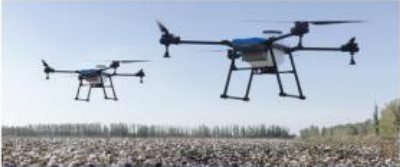
Typical uses
- Crop protection and foliar feeding in field crops, orchards and plantations
- Spreading granular fertiliser and seed with a spreading attachment
- Treatment of date palms and tall crops from above
- Water-based cleaning of solar panels, where the operator has the necessary approvals
Choosing a tank size
Tank size determines how much area one sortie covers and how heavy the aircraft is to transport. A 10 to 20 litre drone suits smaller plots, trials and orchards. 30 to 50 litre models cover larger fields with fewer refills but need a bigger crew setup, more battery capacity and a vehicle for transport. Manufacturer figures for the CSZB series range from about 0.5 ha per sortie for the 5 and 10 litre models to about 3.7 ha for the 50 litre model, depending on application rate and conditions.
Technical data to compare
- Tank capacity and spray width
- Area per sortie at the application rate you plan
- Hover accuracy and flight modes
- Nozzle type: centrifugal or standard
- Wind limits and operating temperature
- Folded size for transport
Approvals before operation
Aerial application of plant-protection products is regulated separately from the drone itself. Operators usually need an aviation authorisation for the operation, a product label or permit that allows aerial application, and trained pilots. In the European Union aerial spraying is generally restricted and allowed only under national derogations. In the UAE, product requirements, registration and operating approvals apply. Please check the rules of your country before you order.